After about five hours on a FlixBus from Thessaloniki, I arrived in Sofia, the capital of Bulgaria. Crossing the border by bus takes a little longer, but there’s something special about experiencing that feeling of moving between countries in Europe.
Accommodation
This time I stayed at Green Cube Hostel. It’s conveniently located near the bus terminal, and the price was very reasonable—around ¥15,000 for a week. It’s especially recommended for backpackers or long-term travelers.
Show Google Map
First Impressions of Sofia
After a week in the city, I found Sofia to be a calm and relaxing place to stay.
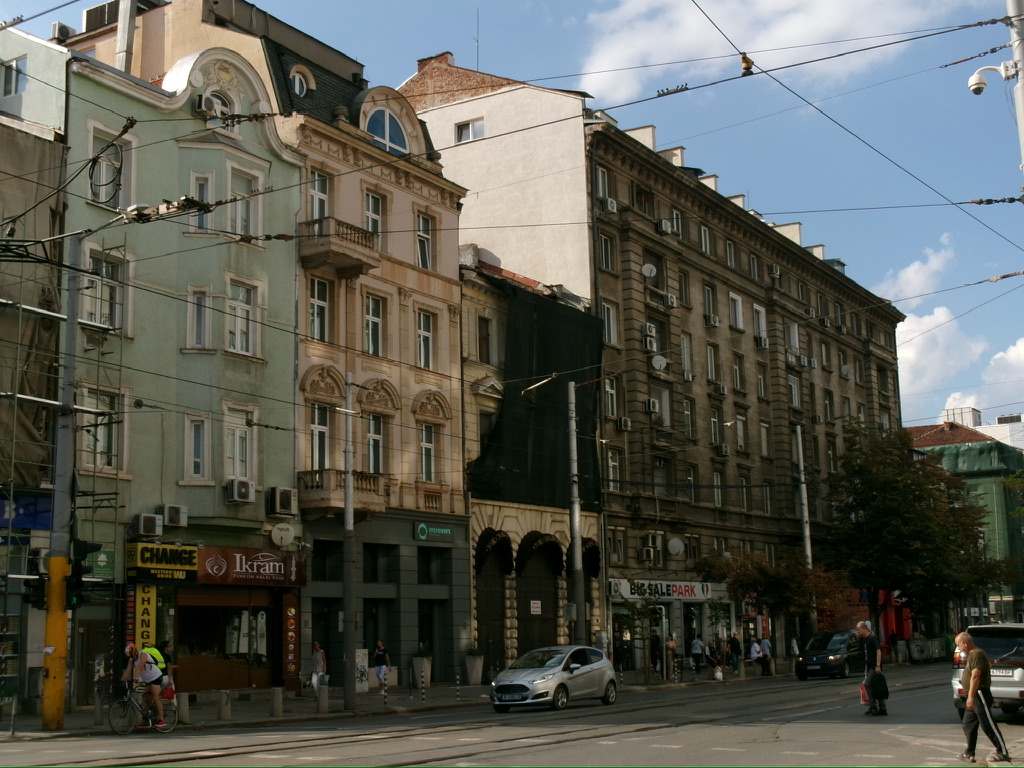
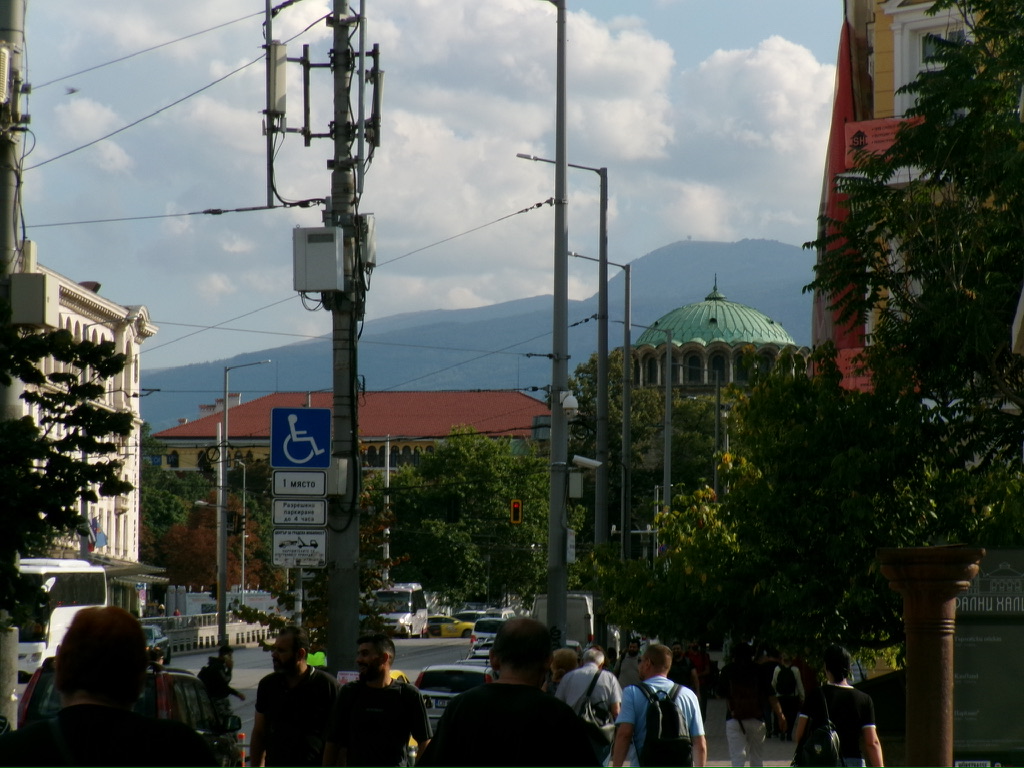
Although the city has trams, a metro, and buses, the central area is compact enough to explore on foot. The streets have a retro atmosphere that gives off a sense of nostalgia.
Bulgaria Means Yogurt
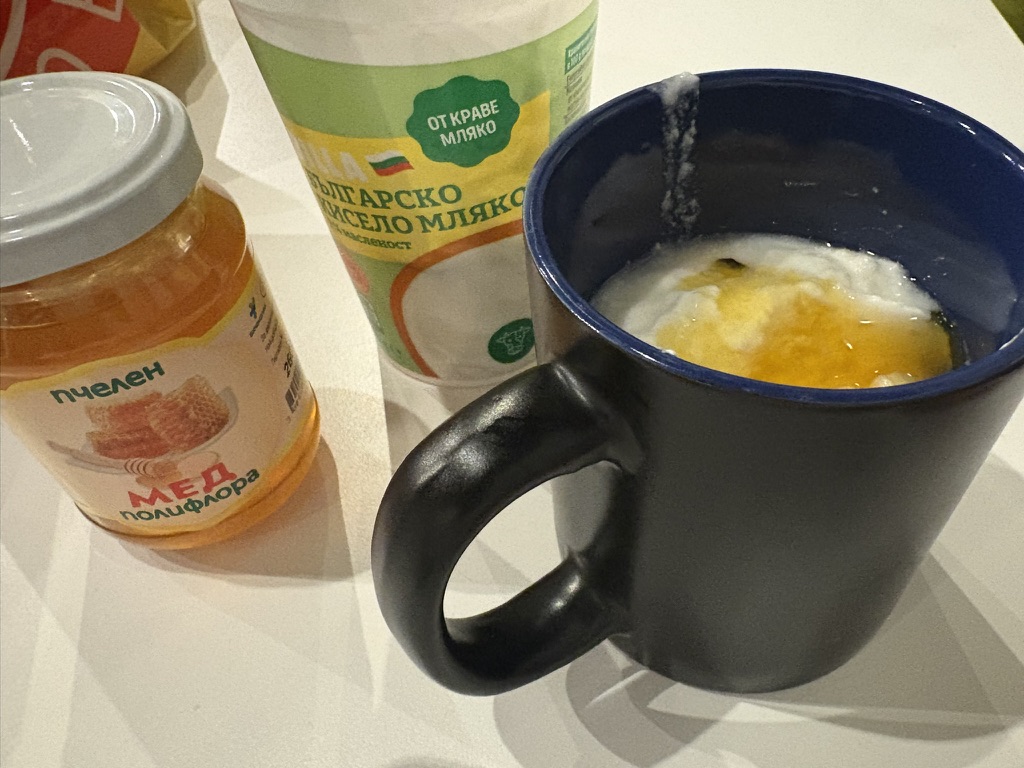
Bulgaria is famous as the birthplace of Bulgarian yogurt, and I made sure to have it every morning. Since the yogurt here is plain, I recommend adding honey for a simple but delicious breakfast. I got so used to it that eating yogurt with honey in the morning has become part of my routine. Maybe it’s just me, but I feel a little healthier because of it (laughs).
Shopping at the Market
For groceries, I went to the Central Sofia Market Hall. The variety is impressive, and the prices are cheaper than convenience stores. It was only about a 10-minute walk from the hostel, so I ended up going almost every day.
Show Google Map
Sightseeing
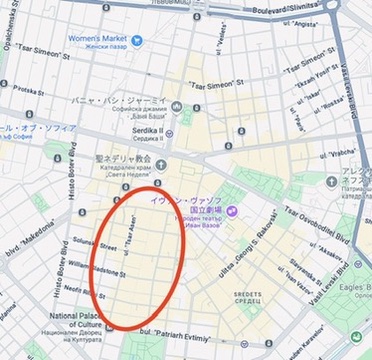
Near Sveta Nedelya Church
The backstreets around this church are one of the liveliest areas in Sofia. Lined with restaurants and cafés, it’s perfect for grabbing a meal or a break while sightseeing. I especially liked Coffee Fellows, which even has a workspace—a great find for digital nomads.

Alexander Nevsky Cathedral
With its golden domes and distinctive green roofs, the cathedral is stunning both inside and out. It’s definitely one of Sofia’s must-see landmarks.

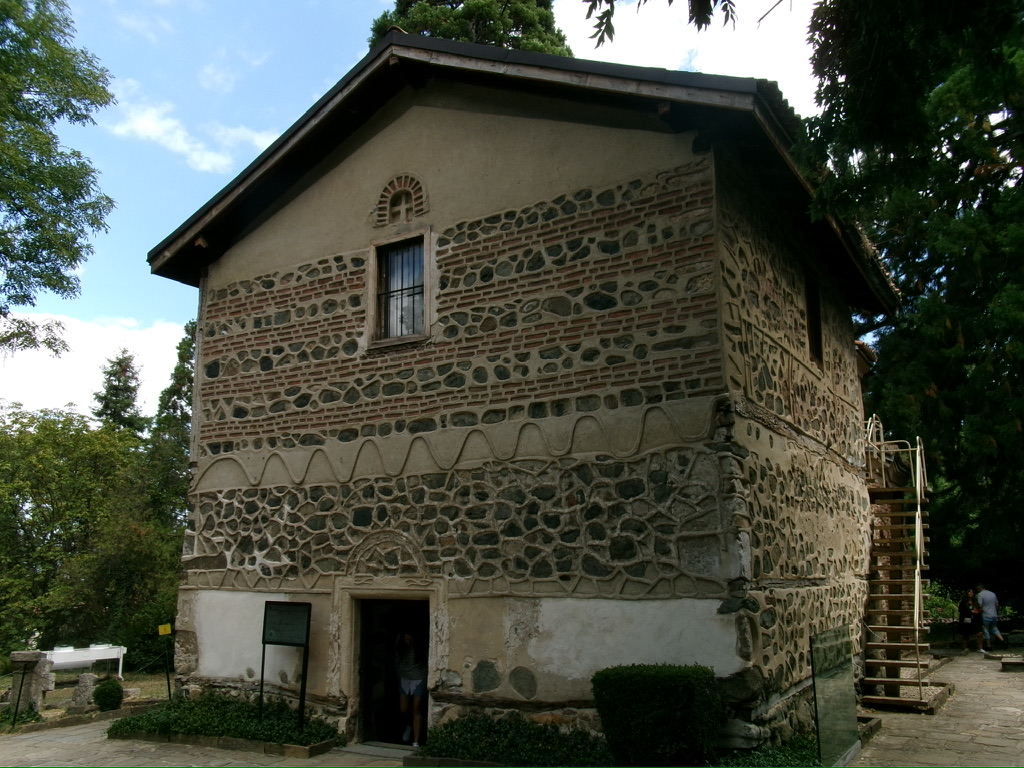
Boyana Church (UNESCO World Heritage Site)
Known for its medieval frescoes, this small church has an entrance fee of around 12 lev (card accepted). The visit doesn’t take long, but it’s worth it.
While most public transport in Sofia supports contactless payment, if you’re heading to Boyana it’s better to buy a 1-day travel card (around 4 lev). Just note that you’ll need to buy it at a major station (like Serdika II), and payment is cash only.
Show Google Map
Boyana Waterfall Trek
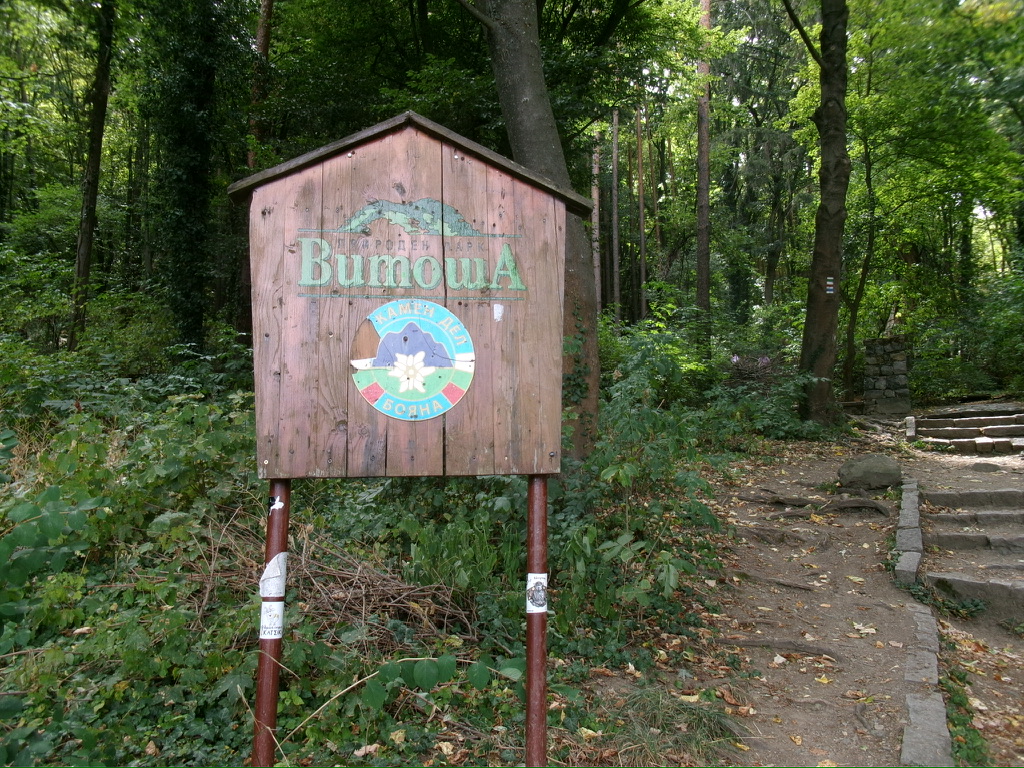
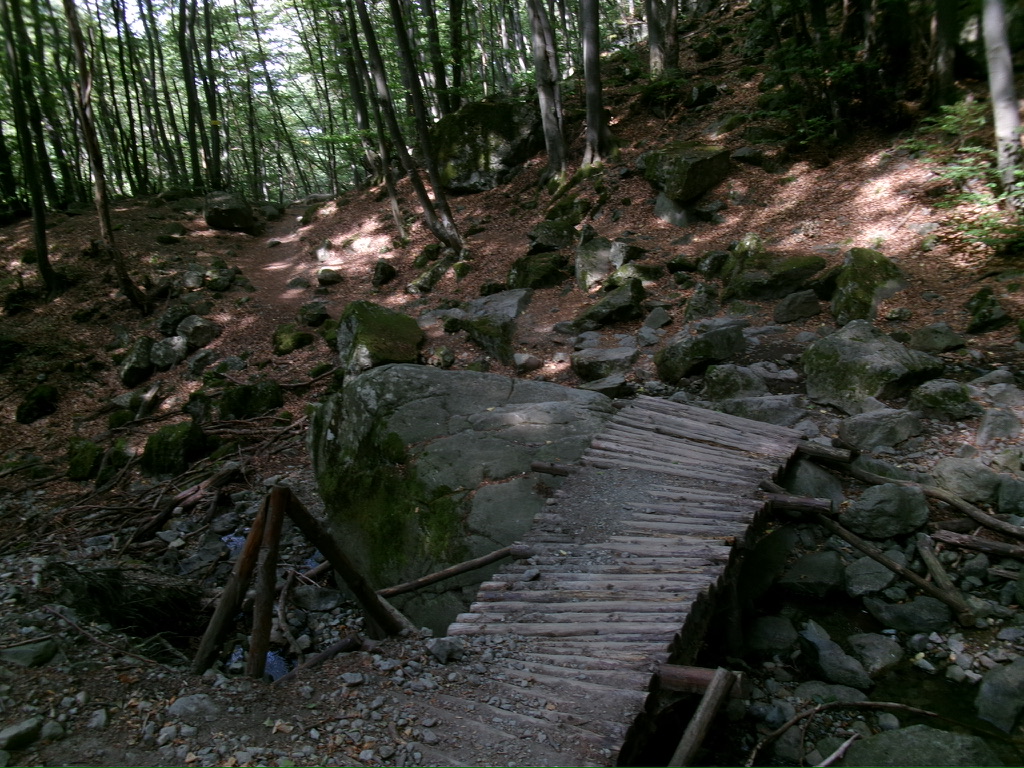
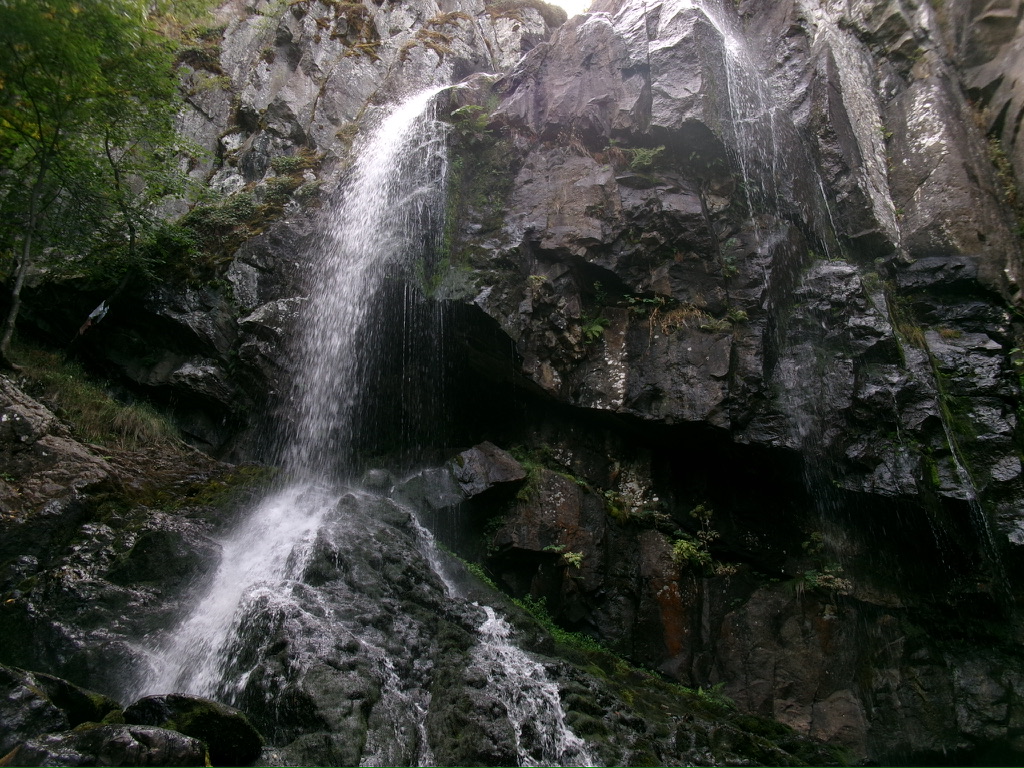
From near Boyana Church, a trail leads up to the waterfall in about 1.5 hours one way. The path isn’t well-maintained in parts, so it’s more challenging than it looks. I’d recommend it only if you’re confident in your stamina.
Interestingly, I saw quite a few people eating yogurt at the waterfall, an amusingly local touch.
Show Google Map
Food Recommendations
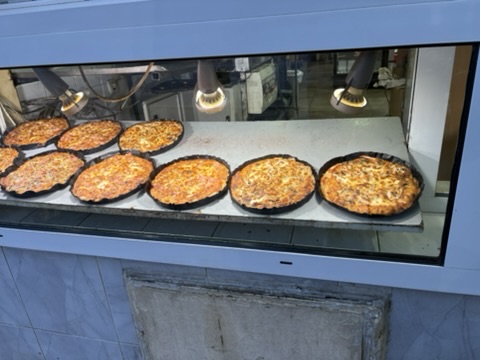
Пица „Генто
A very local pizzeria with excellent value—just 5 lev (about ¥400) per pizza. Be aware it’s cash only.
Show Google Map
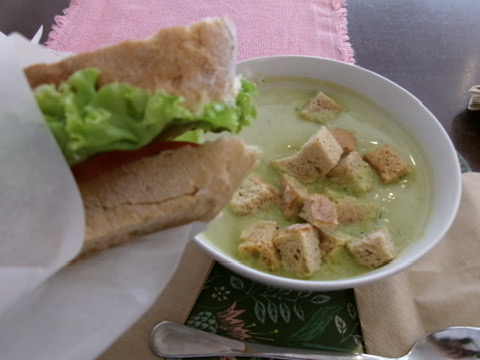
Supa Star
A soup specialty shop. Perfect when you’re tired from walking and don’t feel like eating something heavy.
Show Google Map
Aside from these, Sofia is full of charming restaurants, making it a great city for food lovers.
Souvenirs
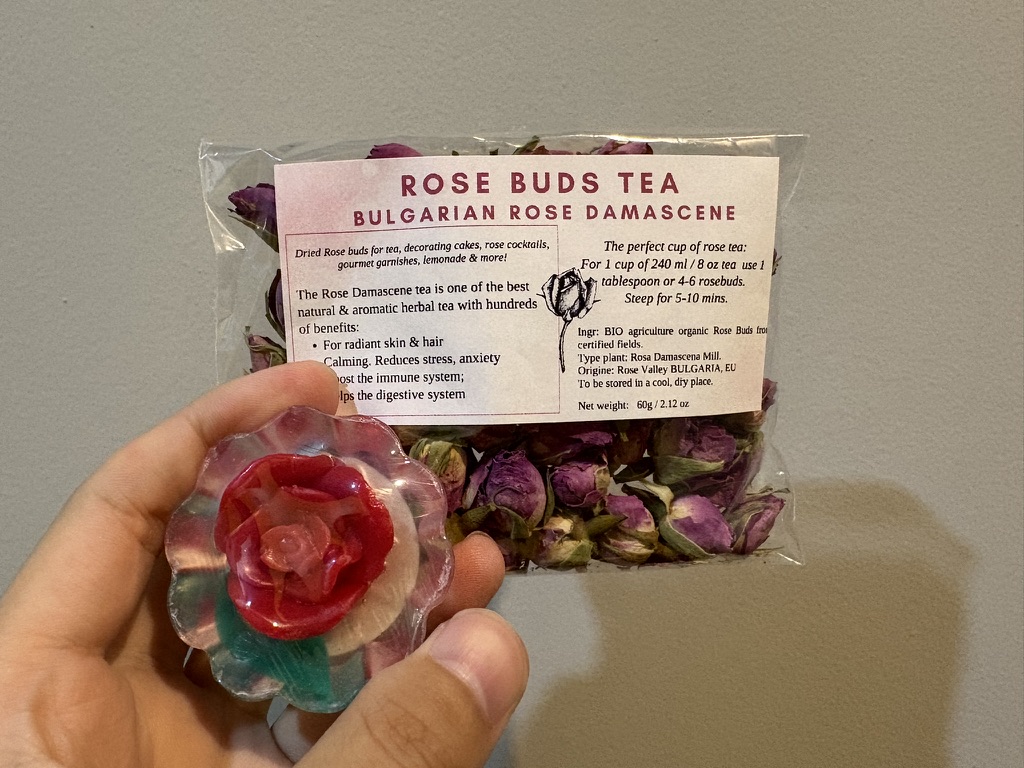
Bulgaria is also famous for rose products. I picked up some rose soap and rose tea—both had a wonderful fragrance. The soap, in particular, makes a perfect gift.
Show Google Map
Wrap-Up
Sofia turned out to be a city where you can relax, enjoy walking, and still experience plenty—whether it’s yogurt culture, UNESCO heritage sites, bustling markets, or local food.
Next stop: Bucharest, Romania!
